
Project
Kick-Off-Meeting
The technology of the digital twin involves creating a virtual representation of a real object in a wide range of applications, which can result in great advantages for companies. This is particularly true for automated production environments. A digital twin can be used to perform realistic advance simulations of plant components, including their automation programs, as well as virtual commissioning.
The special feature of this new technology is the highly detailed reproduction of physical effects, such as mass inertia, friction and collision behavior in the 3-D models, which goes far beyond the capabilities of previous CAD models. It is fascinating how this technology unites the two worlds of automation technology and 3D modeling. Over the past two years, the Carl-Benz-Schule Gaggenau has developed its own digital twin in the context of its smart factory.
As part of a two-year Erasmus project, the CBS and its project partner Mercantec (vocational school from Denmark) are planning to create a freely available training course called “DigiTwin4Teach” for teachers who teach in a professional context. The aim of the training course is to enable teachers and educational staff to create their own digital twins. At the same time, the materials are to be designed in such a way that they can be easily integrated into the teachers‘ own lessons.
“We have found that the continuous development work on our smart factory has given us a great deal of expertise in digitalization. Coupled with our pedagogical expertise, we would like to pass this on to as many teachers and other educational staff as possible,” explains Christian Schmid (Head of Department at the technical college).
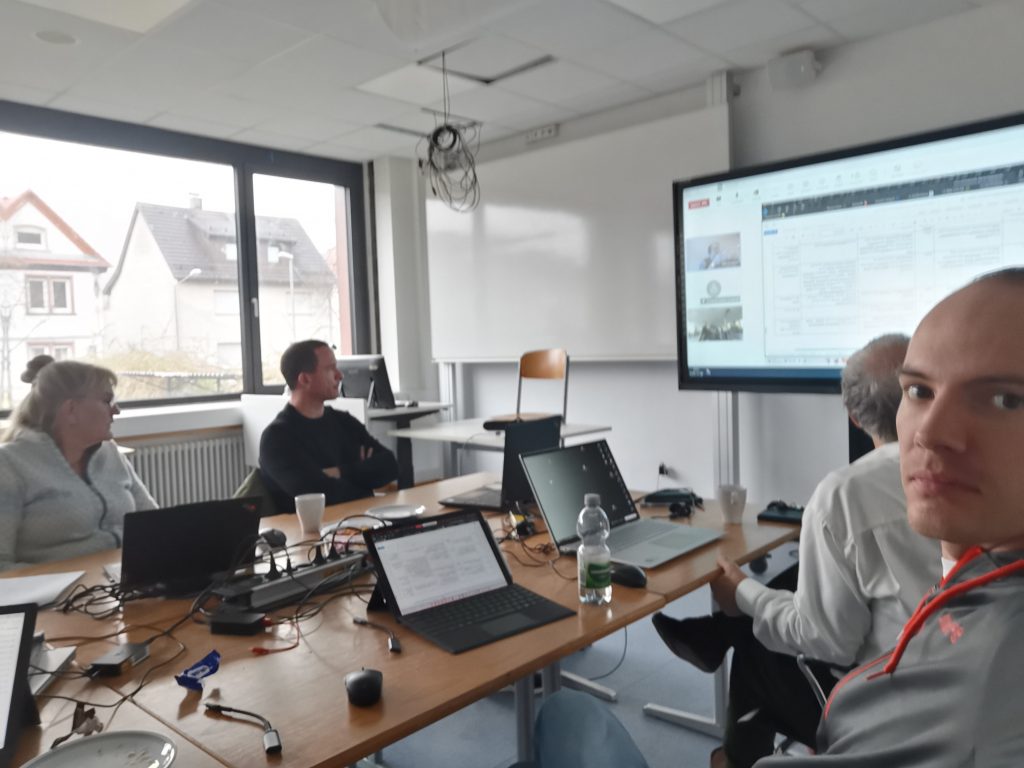
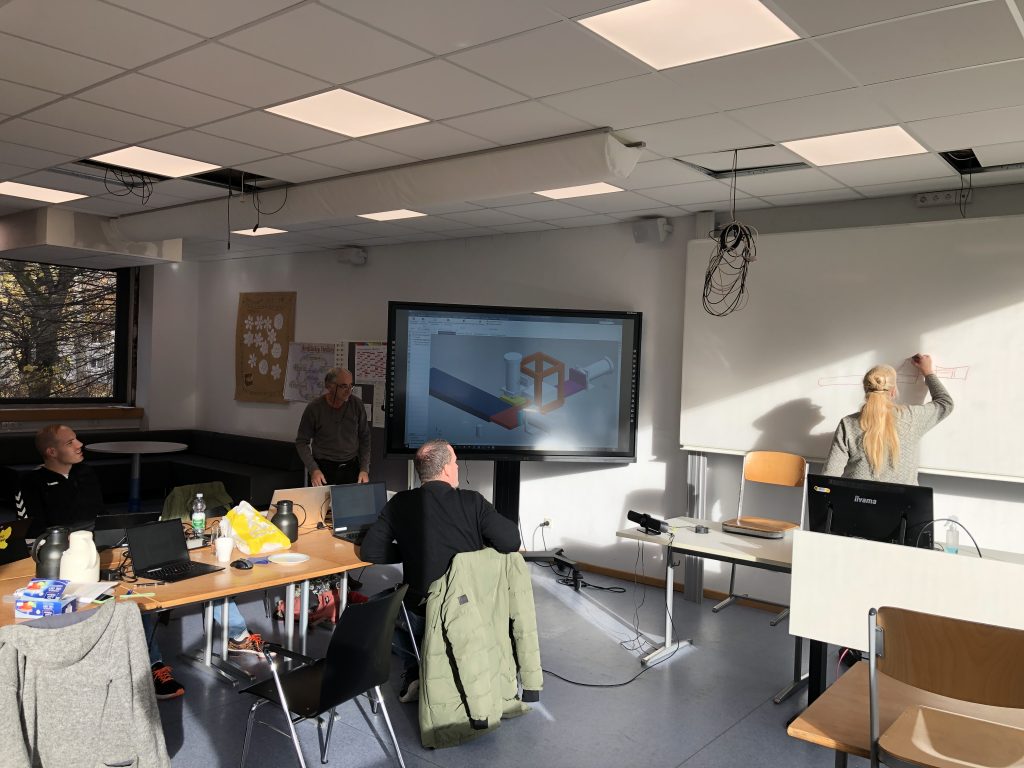
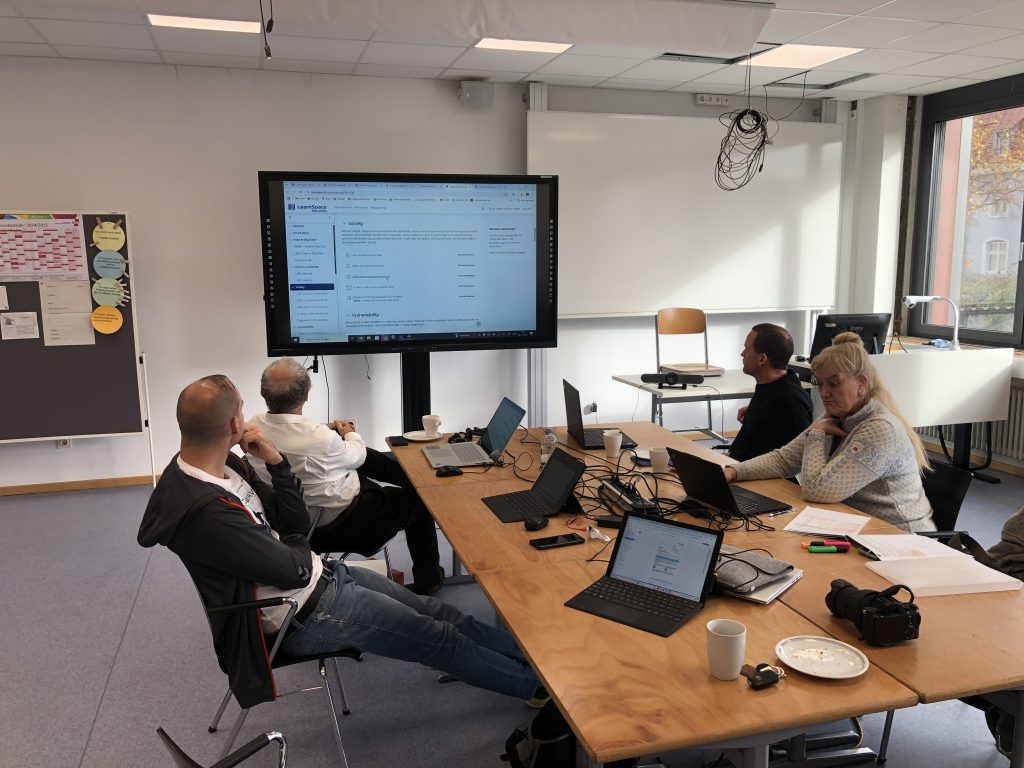
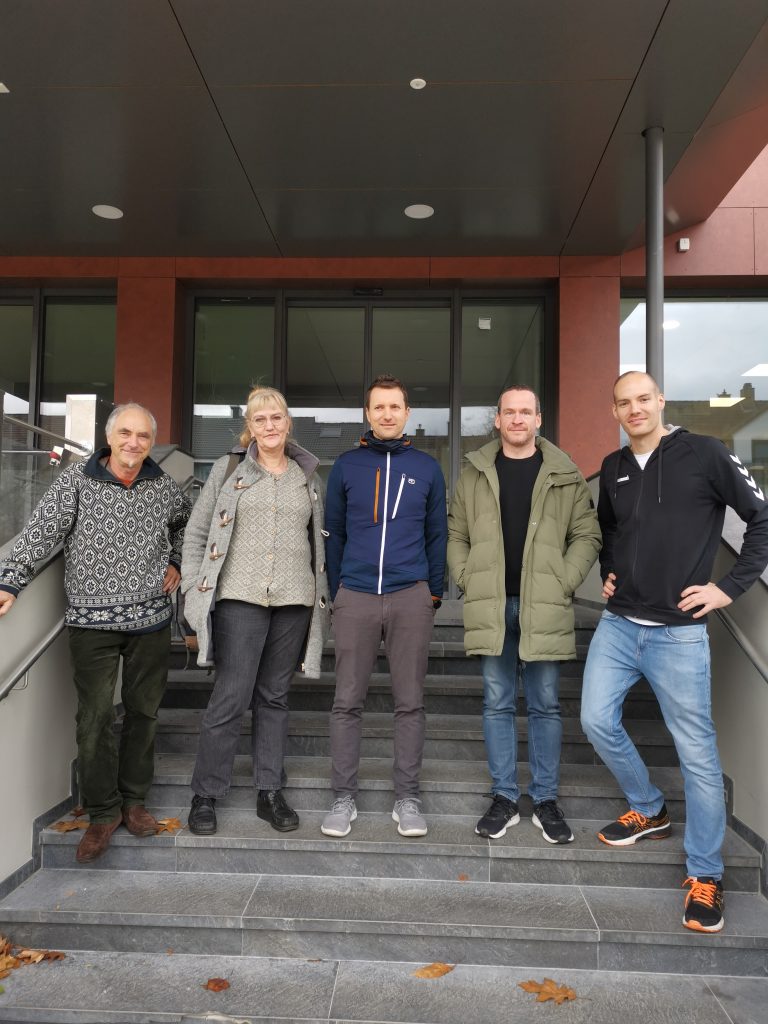
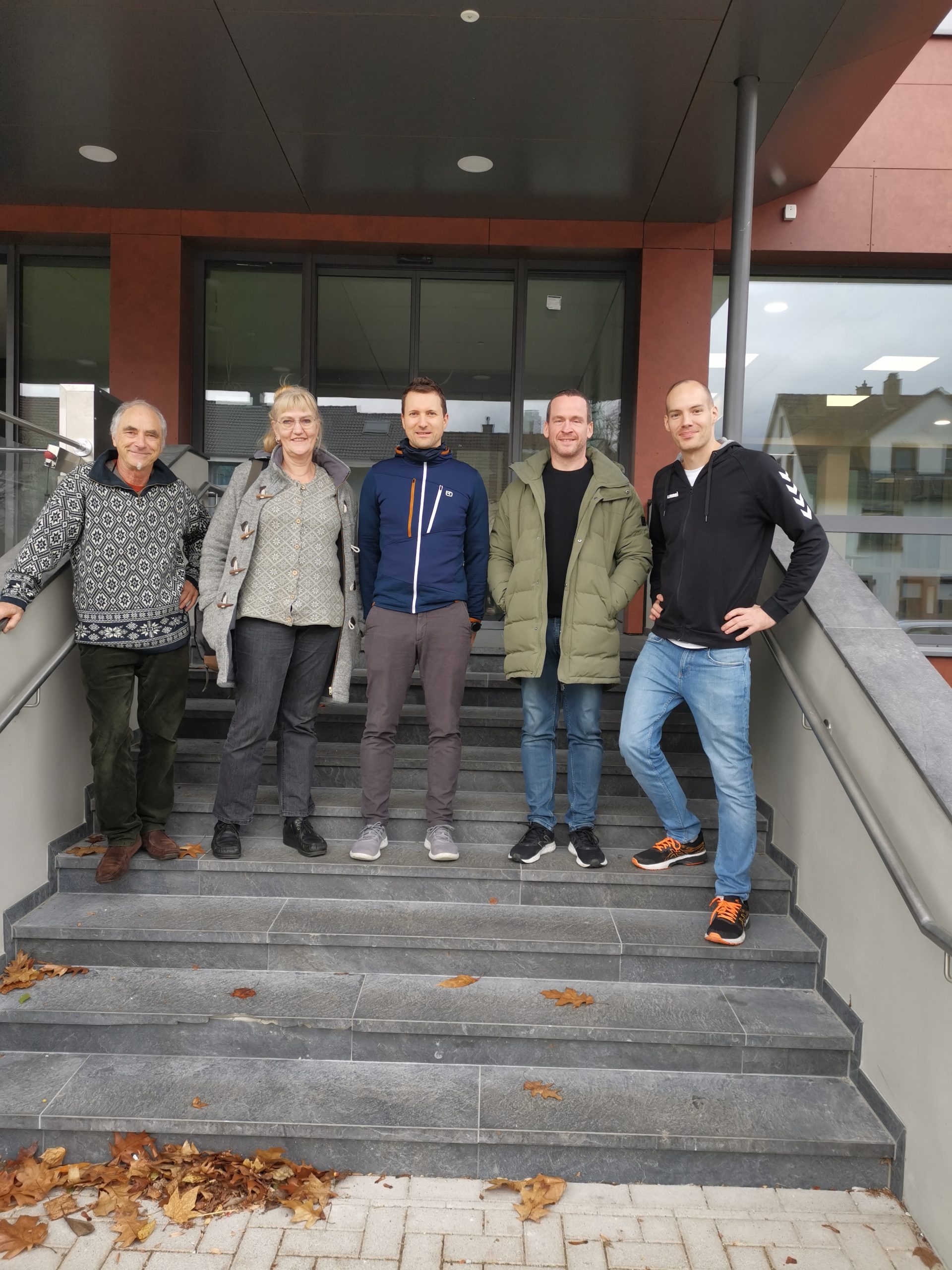
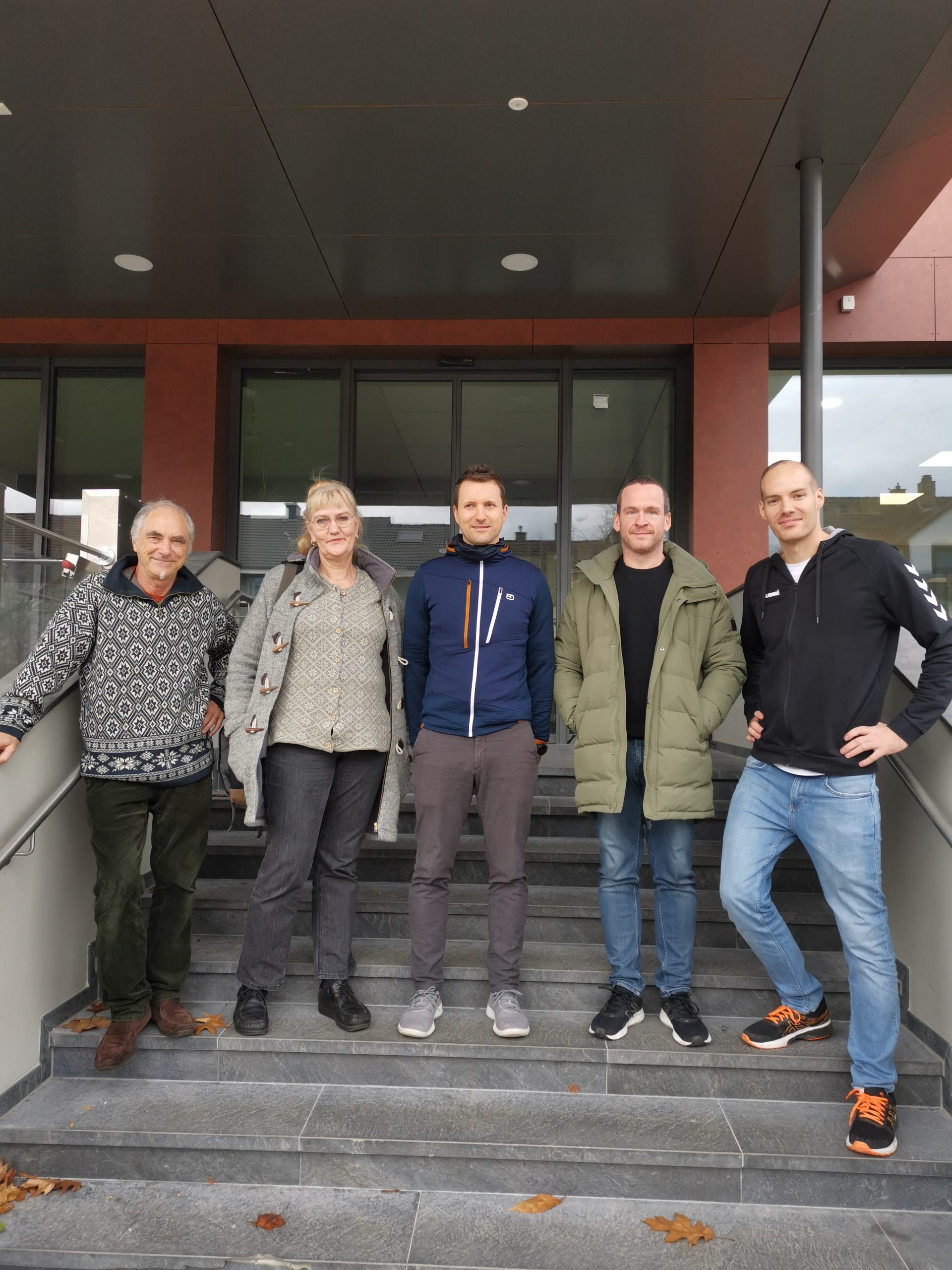
n November, a two-day kick-off meeting took place at CBS with partners from Denmark, during which, among other things, a project plan, project management and future work packages were coordinated. Dr. Kilian Krettenauer, designer and developer of the digital CBS twin, explains: “We will have completed the content design of the individual learning modules by the summer vacations. In the 2025/26 school year, we want to test these materials together with teachers from Germany and other European countries, and then evaluate and further optimize them.”
“We were able to gain important experience with the previous Erasmus project ‚Vlefactory‘ and are very pleased that our application has been accepted by the National Agency. The Erasmus program offers us ideal opportunities to implement the project activities in the coming years and at the same time to highlight an exciting new perspective for CBS Gaggenau,” adds Benjamin Geibel (Head of the Vocational School Department).
The project and project activities will be available at www.digitwin4teach.eu.
“It was great to see how enthusiastically our colleagues are working on the project. We hope that this course will not only expand the knowledge and skills of the teachers, but also prepare the students for the challenges of the digital future. The digital twin is a key technology that enables us to create practical and innovative learning environments,” states principal Dr. Falk Hartmann.